
Here’s a quick overview of how long it would take for different sizes. The tattoo healing process occurs over the course of days, weeks, and even months, during which all kinds of changes happen in both the upper. @flesh_and_fluid, to share their insight on every step of the process. How long does a tattoo take? Tattooing can be physically demanding, requiring long hours of focus and precision.
After getting a tattoo, the outer layer of skin (the part you can see) will typically heal within 2 to 3 weeks. However, it takes about three to six months for the skin underneath the tattoo to fully heal. Not only is the size of your tattoo taken into consideration, but the placement and the color will play a role, both in the overall cost and time invested in your piece from start to. Depending on the style and other factors it can take anywhere from 30 minutes to 30 hours to get a tattoo. Of course, there are a.
How long does it take for a tattoo to heal? The time it takes to complete your tattoo will vary greatly, and it's based on many different factors. However, it takes about three to six months for the skin underneath the tattoo to fully heal. Before you book your tattoo appointment, you’re probably asking yourself a very important question: Depending on the style and other factors it can take anywhere from 30 minutes to 30 hours to get a tattoo.
Tattoo Healing Day By Day / Tattoo Healing Process Stages Day By Day
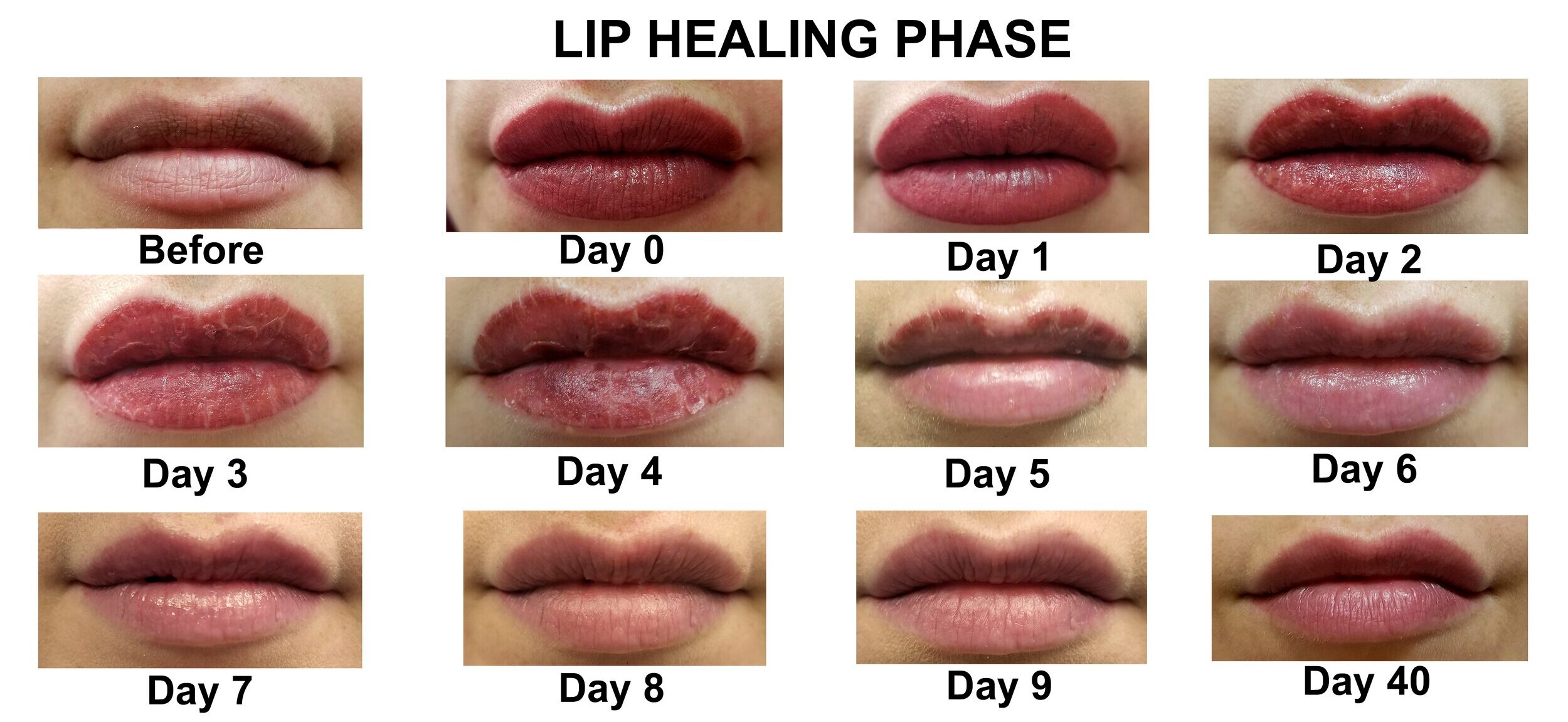
How Long Does it Take to Get a Tattoo Depending on the Size?
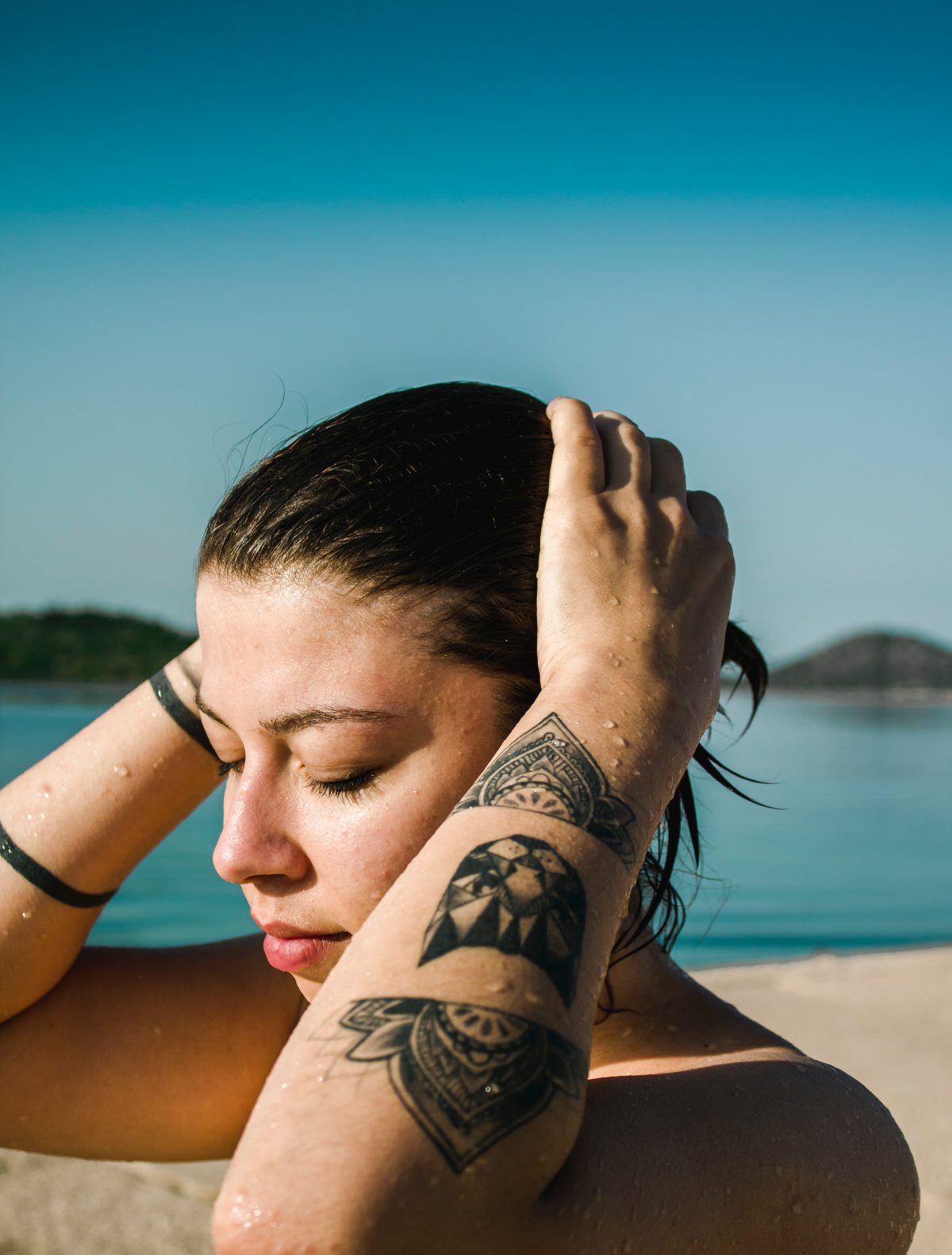
How Long Does It Take to Get a Tattoo? TatRing
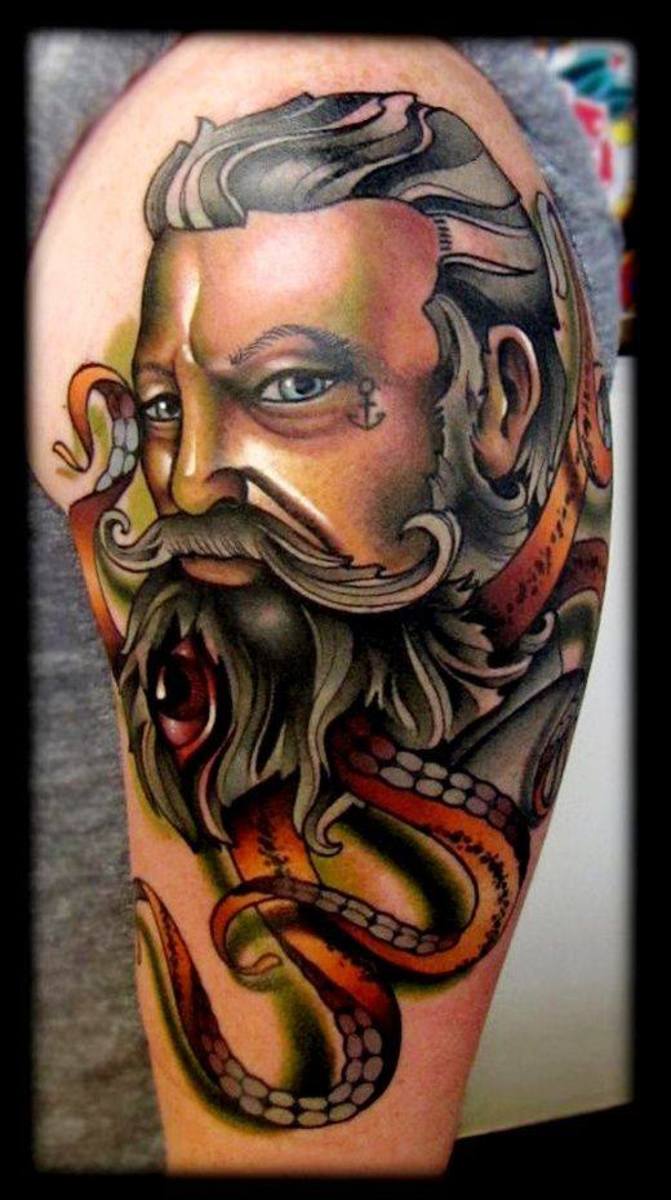
StepByStep Guide to Getting a Tattoo
:max_bytes(150000):strip_icc()/how-to-take-care-of-tattoo_round3-2ab989a3528c4309b3fabcc165cf7b6e.gif)
How Long Does It Take To Remove A Tattoo? Removery
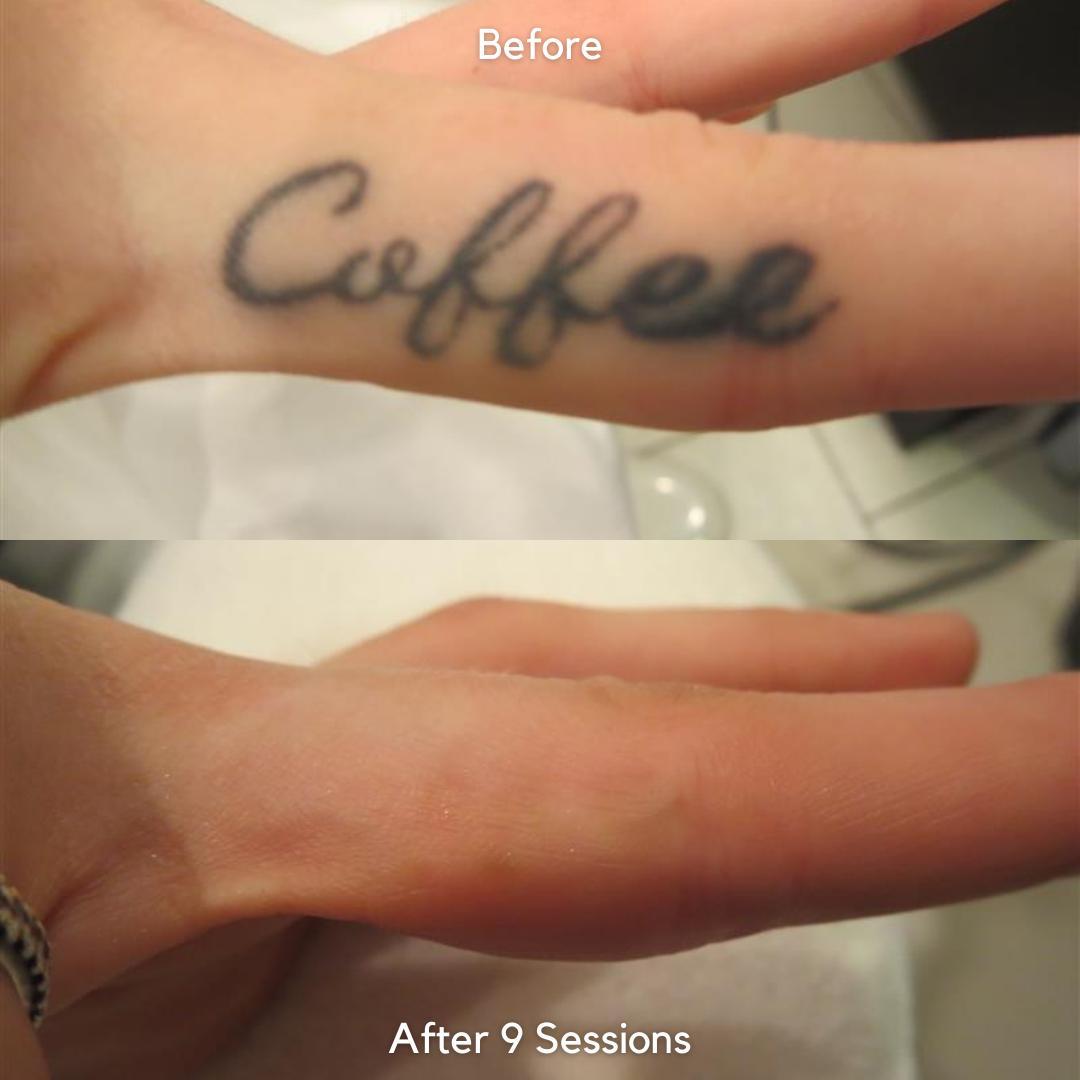
How Long Does It Take For A Tattoo To Heal? (2021 Guide) Wrist

How Long Does It Take for a Tattoo to Heal? Healing Stages and

How to Heal Tattoos Fast Recovery Times and Aftercare Tips TatRing
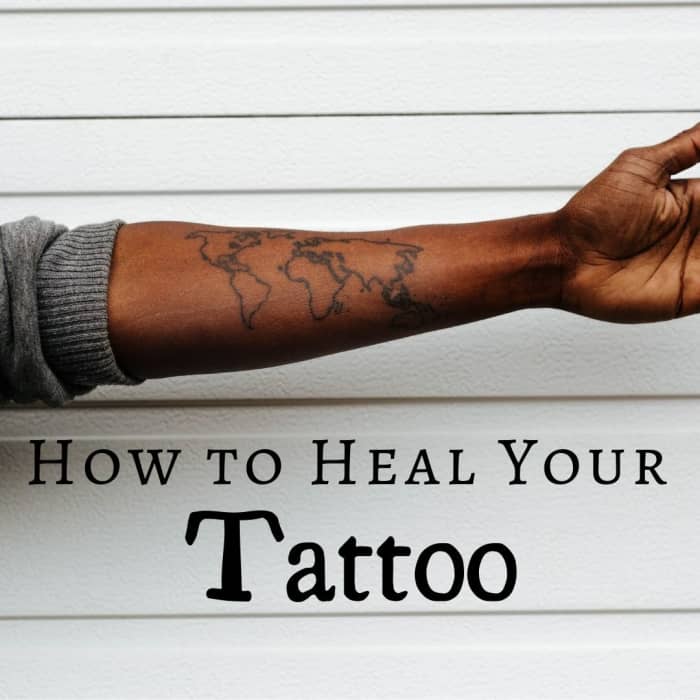
How Long Does it Take My Tattoo to Heal?
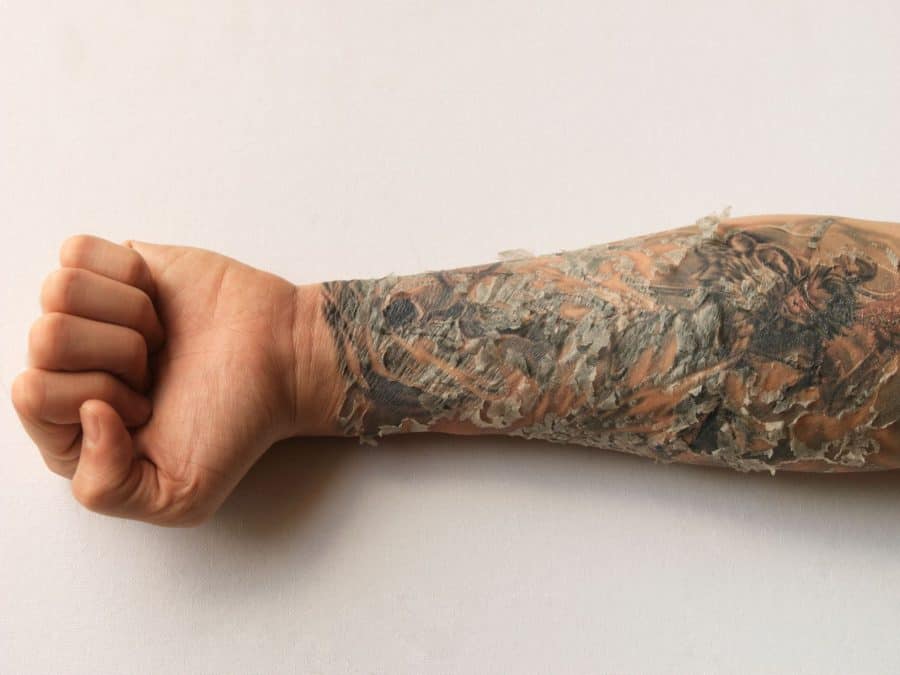
How Long Do Tattoos Take To Heal? Healing, Tattoos, Long

However, shorter or longer sessions aren't unusual. The time it takes to complete your tattoo will vary greatly, and it's based on many different factors. Every july 17, the country celebrates national tattoo day in honor of the stories these bodily markings tell and their personal meanings for many individuals. Of course, there are a. Seventeen picks products that we think you'll love the most. There's no set time limit for tattoos. Factors on how long a tattoo takes include the size, the level of detail, the size of the line, and the placement on the body. An average and tolerable time frame and a standard session is around five hours. How long does it take a tattoo to fully heal? On average, a tattoo takes two to four weeks to heal. Depending on the style and other factors it can take anywhere from 30 minutes to 30 hours to get a tattoo. Are you looking to get a tattoo but not sure how long it will take? After getting a tattoo, the outer layer of skin (the part you can see) will typically heal within 2 to 3 weeks. Here’s a quick overview of how long it would take for different sizes. However, it takes about three to six months for the skin underneath the tattoo to fully heal.
Depending On Your Artist, They May Choose To Make.
We may earn commission from the links on this page. Before you book your tattoo appointment, you’re probably asking yourself a very important question: How long does a tattoo take? The visible part of your tattoo will gradually heal over four to six weeks.
Of Course, There Are A.
There's no set time limit for tattoos. How long does it take for a tattoo to heal? While everyone is different, tattoos typically heal within two to three weeks; After getting a new tattoo, the outer layer of skin will typically appear healed within 2 to 3 weeks.
However, Shorter Or Longer Sessions Aren't Unusual.
After getting a tattoo, the outer layer of skin (the part you can see) will typically heal within 2 to 3 weeks. However, the deeper layers of skin will continue to recover at a slower rate over the next. Here’s a quick overview of how long it would take for different sizes. Depending on the style and other factors it can take anywhere from 30 minutes to 30 hours to get a tattoo.
While It May Look And Feel Healed, And You May Be Tempted To Slow.
@flesh_and_fluid, to share their insight on every step of the process. But it can take six months for the skin below a tattoo to truly heal, as per healthline. Every july 17, the country celebrates national tattoo day in honor of the stories these bodily markings tell and their personal meanings for many individuals. Factors on how long a tattoo takes include the size, the level of detail, the size of the line, and the placement on the body.