
Web preoperative endoscopic tattoo has become the standard of care for accurate tumour localisation in the advent of minimally invasive colorectal surgery. Web dr tattooing should be considered for obvious colorectal cancers and for lesions with suspected cancer, for pedunculated adenomas with endoscopic features of cancer or with sufficient size to have a substantial risk of cancer (≥2 cm in size is a reasonable guide), and for large flat or sessile lesions removed by piecemeal endoscopic mucosal. Bsg guidelines state that polyps ≥20mm in size should be tattooed, except those in the rectum/caecum. A cancer memorial tattoo makes a great gift for cancer patients and also a heartwarming memorial. Cancer can be a devastating diagnosis, but it doesn’t mean the end of the fight.
Current practices are still diverse, inconsistent and based on operator preference and skill. Cancer can be a devastating diagnosis, but it doesn’t mean the end of the fight. Web these are small cancer memorial tattoos that are easy to dedicate to someone special, yourself, or the cause itself. Web preoperative endoscopic tattoo has become the standard of care for accurate tumour localisation in the advent of minimally invasive colorectal surgery. A cancer memorial tattoo makes a great gift for cancer patients and also a heartwarming memorial.
Bsg guidelines state that polyps ≥20mm in size should be tattooed, except those in the rectum/caecum. Current practices are still diverse, inconsistent and based on operator preference and skill. Web preoperative endoscopic tattoo has become the standard of care for accurate tumour localisation in the advent of minimally invasive colorectal surgery. Despite the national bowel cancer screening programme guidelines, a significant proportion of colorectal lesions are still not tattooed during their first endoscopy. Web these are small cancer memorial tattoos that are easy to dedicate to someone special, yourself, or the cause itself.
The 80 Best Cancer Ribbon Tattoos for Men Improb Cancer ribbon

Pin by Gayle Stanley on Tattoos & Piercings Awareness ribbons tattoo

Meet stan my colon tattoo because my colon is defective Colon cancer

Pin by Tee Dupre on tattoos Cancer tattoos, Cancer survivor tattoo

Colon Cancer Survivor Tattoo by porter.art
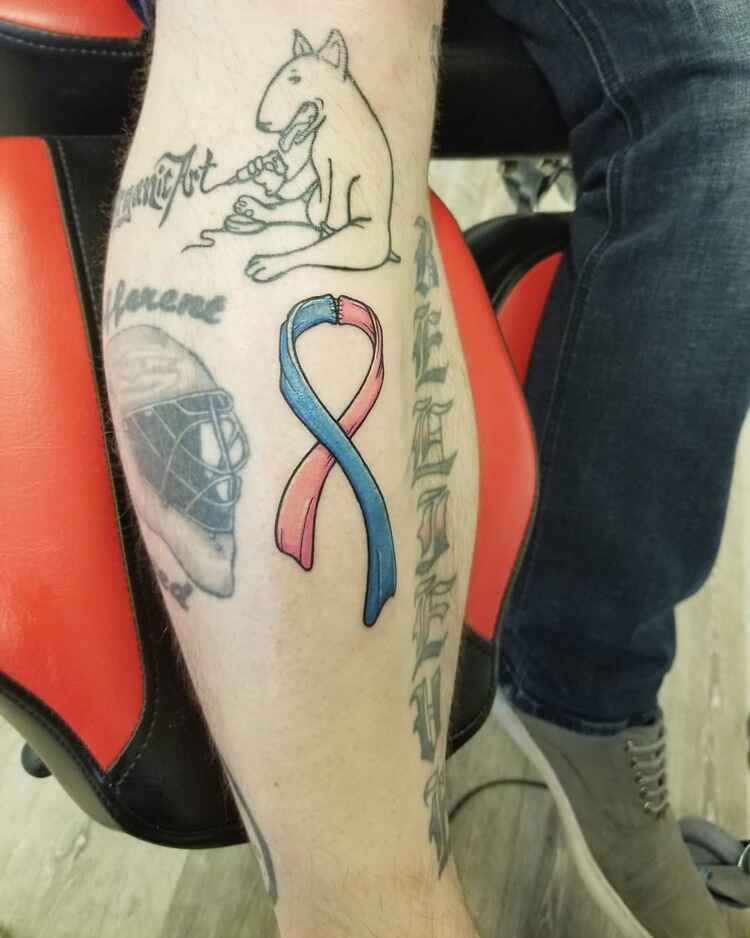
Colon Cancer Colon Cancer Ribbon Tattoos

Cancer ribbon tattoos, Cancer tattoos, Tattoo for dad

Colon Cancer Ribbon Tattoo Printable Ilacollection Ideas

Cancer Tattoos Designs, Ideas and Meaning Tattoos For You
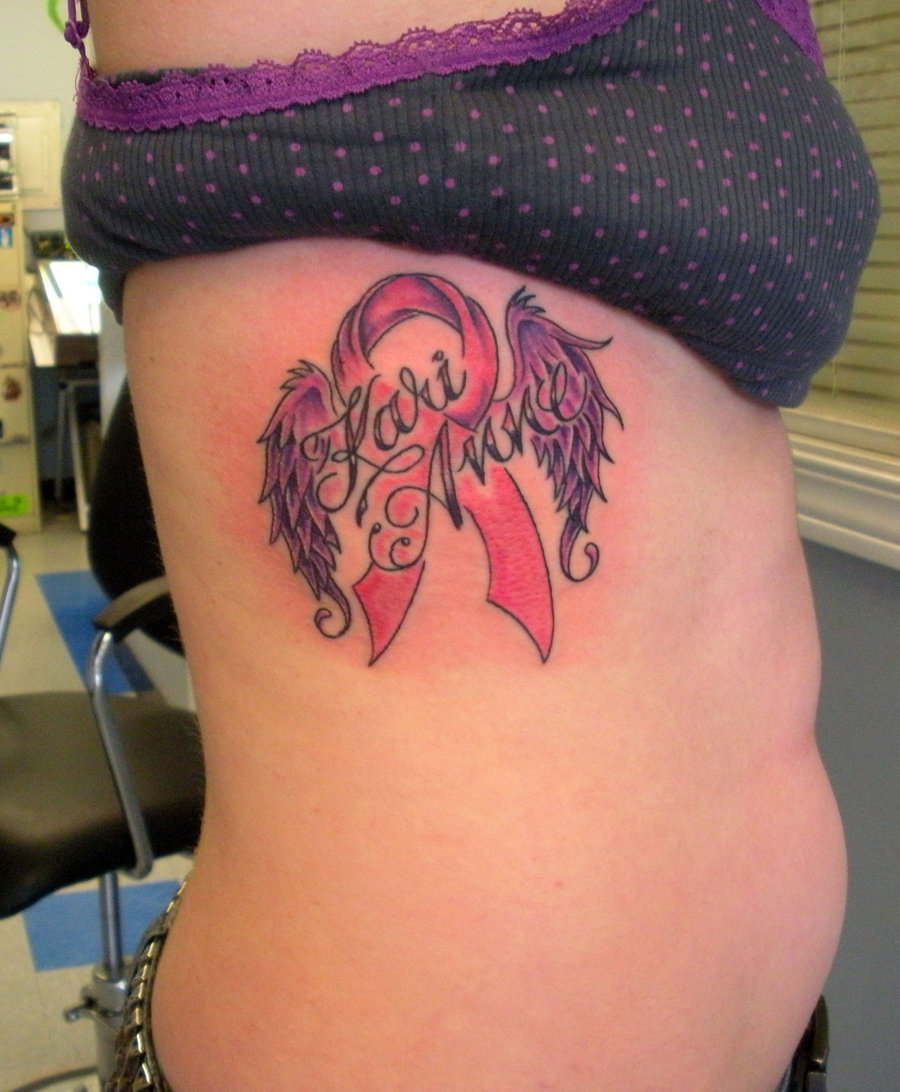
colon cancer ribbon tattoo designs camerawallartphotography
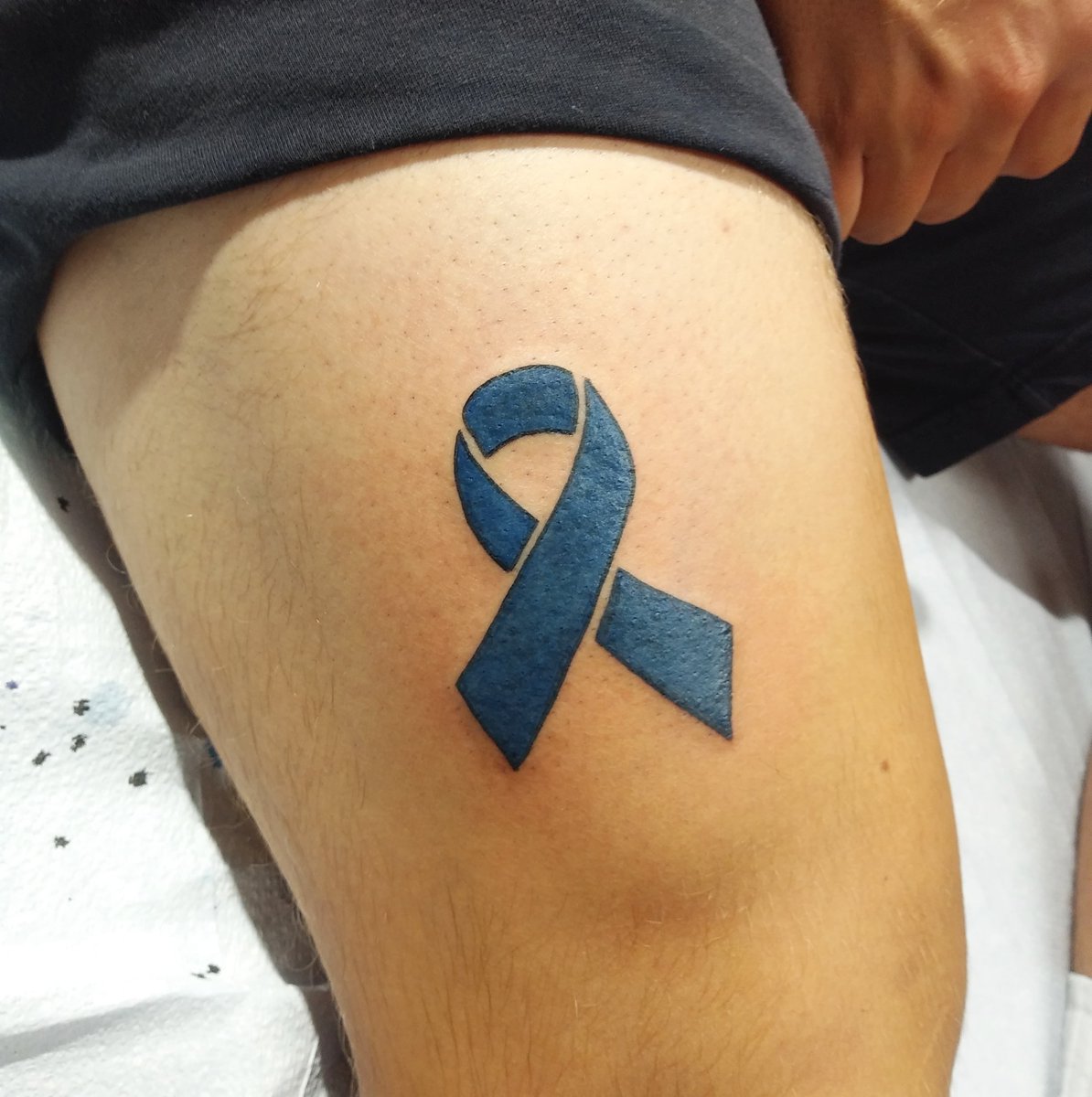
Web our study highlights the lack of uniformity of tattoo practice among endoscopists. Cancer can be a devastating diagnosis, but it doesn’t mean the end of the fight. Web despite the national bowel cancer screening programme guidelines, a significant proportion of colorectal lesions are still not tattooed during their first endoscopy. Web preoperative endoscopic tattoo has become the standard of care for accurate tumour localisation in the advent of minimally invasive colorectal surgery. Current practices are still diverse, inconsistent and based on operator preference and skill. Web these are small cancer memorial tattoos that are easy to dedicate to someone special, yourself, or the cause itself. Web for a colorectal lesion that is left in situ but considered suitable for endoscopic resection, tattooing may be used if the lesion is considered difficult to detect at a subsequent endoscopy (agreement score, 4.62; Bsg guidelines state that polyps ≥20mm in size should be tattooed, except those in the rectum/caecum. Some patients had to have repeat endoscopy just for the purpose of tattooing. A cancer memorial tattoo makes a great gift for cancer patients and also a heartwarming memorial. Web dr tattooing should be considered for obvious colorectal cancers and for lesions with suspected cancer, for pedunculated adenomas with endoscopic features of cancer or with sufficient size to have a substantial risk of cancer (≥2 cm in size is a reasonable guide), and for large flat or sessile lesions removed by piecemeal endoscopic mucosal. Despite the national bowel cancer screening programme guidelines, a significant proportion of colorectal lesions are still not tattooed during their first endoscopy. Web for a colorectal lesion that is left in situ but considered suitable for endoscopic resection, tattooing may be used if the lesion is considered difficult to detect at a subsequent endoscopy (agreement score, 4.62; Web colorectal cancer is often investigated with colonoscopy, where tattooing is performed to identify the location of potentially tumorous polyps to aid surgery and colonic surveillance.
Despite The National Bowel Cancer Screening Programme Guidelines, A Significant Proportion Of Colorectal Lesions Are Still Not Tattooed During Their First Endoscopy.
Web these are small cancer memorial tattoos that are easy to dedicate to someone special, yourself, or the cause itself. Some patients had to have repeat endoscopy just for the purpose of tattooing. Cancer can be a devastating diagnosis, but it doesn’t mean the end of the fight. A cancer memorial tattoo makes a great gift for cancer patients and also a heartwarming memorial.
Web Despite The National Bowel Cancer Screening Programme Guidelines, A Significant Proportion Of Colorectal Lesions Are Still Not Tattooed During Their First Endoscopy.
Web preoperative endoscopic tattoo has become the standard of care for accurate tumour localisation in the advent of minimally invasive colorectal surgery. Web for a colorectal lesion that is left in situ but considered suitable for endoscopic resection, tattooing may be used if the lesion is considered difficult to detect at a subsequent endoscopy (agreement score, 4.62; Bsg guidelines state that polyps ≥20mm in size should be tattooed, except those in the rectum/caecum. Current practices are still diverse, inconsistent and based on operator preference and skill.
Web Dr Tattooing Should Be Considered For Obvious Colorectal Cancers And For Lesions With Suspected Cancer, For Pedunculated Adenomas With Endoscopic Features Of Cancer Or With Sufficient Size To Have A Substantial Risk Of Cancer (≥2 Cm In Size Is A Reasonable Guide), And For Large Flat Or Sessile Lesions Removed By Piecemeal Endoscopic Mucosal.
Web for a colorectal lesion that is left in situ but considered suitable for endoscopic resection, tattooing may be used if the lesion is considered difficult to detect at a subsequent endoscopy (agreement score, 4.62; Web our study highlights the lack of uniformity of tattoo practice among endoscopists. Web colorectal cancer is often investigated with colonoscopy, where tattooing is performed to identify the location of potentially tumorous polyps to aid surgery and colonic surveillance.